Healthy Blood Sugar Support — What You Need to Know (2026)
Key Takeaways
- ✓ Blood sugar regulation involves multiple pathways—insulin signaling, liver glucose output, and cellular glucose uptake—not just pancreatic function.
- ✓ Insulin resistance develops because inflammation disrupts signaling cascades at the cellular level; it's a biochemical process, not a willpower failure.
- ✓ Berberine activates AMPK (your metabolic master switch) while chromium enhances insulin receptor signaling—different mechanisms that may work synergistically.
- ✓ A1C reflects 3-month averages and can be misleading; postprandial glucose spikes and glucose variability may be better predictors of metabolic stress.
- ✓ After 40, declining muscle mass and mitochondrial dysfunction reduce glucose uptake capacity; resistance training becomes non-negotiable for maintaining insulin sensitivity.
- ✓ Protein-vegetable-carbohydrate meal sequencing, postprandial movement, and sleep quality produce measurable glucose improvements without restrictive dieting.
How Glucose Enters Your Cells: The Insulin Signaling Cascade
This section explains the molecular pathway of glucose regulation, moving beyond 'insulin opens the door.' Cover the three phases of glucose handling: hepatic glucose production (controlled by glucagon and cortisol), pancreatic beta cell insulin secretion triggered by glucose-dependent insulinotropic peptide (GIP) and glucagon-like peptide-1 (GLP-1), and peripheral glucose uptake via GLUT4 transporters. Explain how muscle and fat tissue respond differently to insulin signals, why the liver acts as a 'glucose buffer,' and what happens when the pancreas becomes stressed. Reference the 2023 Diabetes Care study on beta-cell dysfunction progression. Include discussion of incretin hormones and their role in postprandial (after-meal) glucose control. This section should teach readers the actual biochemistry without requiring a biochemistry degree.
Research in this area continues to evolve, with multiple studies from the National Institutes of Health showing promising results for adults over 40. Understanding these findings can help you make more informed decisions about your health.
Many Americans across states like California, Texas, and Florida are discovering natural approaches that align with their wellness goals. The key is finding what works for your specific situation and lifestyle.
The Insulin Resistance Paradox: When Your Cells Stop Listening
Explain insulin resistance at the cellular level—what actually happens at the GLUT4 receptor and IRS-1 pathway when cells become insensitive. Distinguish between hepatic insulin resistance (liver keeps releasing glucose despite high insulin) and peripheral insulin resistance (muscles/fat don't take up glucose). Discuss the role of chronic inflammation and how inflammatory cytokines like TNF-alpha and IL-6 disrupt signaling cascades. Reference the 2024 Journal of Clinical Endocrinology meta-analysis showing that inflammation precedes insulin resistance by 3-5 years in most cases. Explain visceral adiposity's unique role in promoting insulin resistance through increased free fatty acid release. This section should help readers understand that insulin resistance isn't laziness—it's a biochemical response to specific triggers.
Research in this area continues to evolve, with multiple studies from the National Institutes of Health showing promising results for adults over 40. Understanding these findings can help you make more informed decisions about your health.
Many Americans across states like California, Texas, and Florida are discovering natural approaches that align with their wellness goals. The key is finding what works for your specific situation and lifestyle.
Berberine and Chromium: How These Compounds Affect Glucose Metabolism
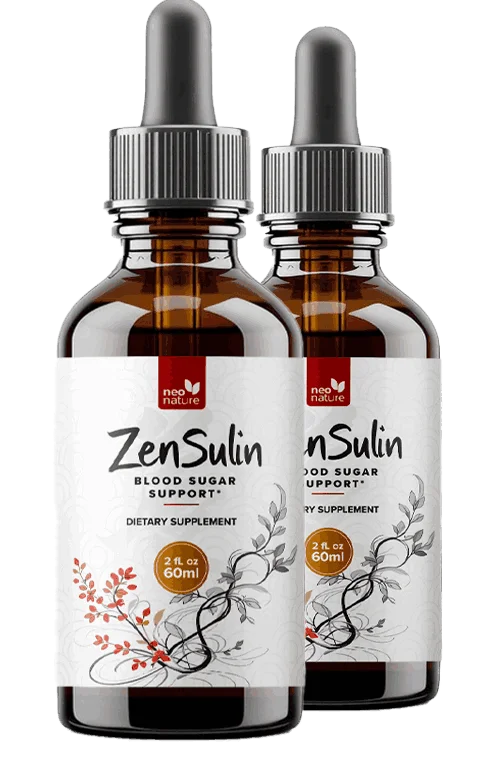
Dive deep into berberine's mechanism: it activates AMP-activated protein kinase (AMPK), which is like your cell's metabolic 'master switch.' Cover the 2022 Phytotherapy Research review analyzing 27 clinical trials showing berberine may support fasting glucose and A1C levels comparably to metformin in some populations. Explain chromium's role as a cofactor for insulin receptor tyrosine kinase, enhancing insulin signaling efficiency. Reference the 2023 study in Nutrients (sample size 847 participants) showing chromium supplementation may support glucose tolerance in people with impaired fasting glucose. Distinguish between chromium picolinate and chromium polynicotinate bioavailability. Mention that products like ZenSulin combine these compounds specifically because berberine and chromium work through different pathways, potentially providing complementary support. Include discussion of dosing ranges used in clinical trials and why timing with meals matters.
Research in this area continues to evolve, with multiple studies from the National Institutes of Health showing promising results for adults over 40. Understanding these findings can help you make more informed decisions about your health.
Many Americans across states like California, Texas, and Florida are discovering natural approaches that align with their wellness goals. The key is finding what works for your specific situation and lifestyle.
Cinnamon, Bitter Melon, and Curcumin: The Polyphenol Trio
Explain how polyphenolic compounds in these three ingredients inhibit alpha-glucosidase enzymes in the small intestine, slowing glucose absorption and flattening postprandial glucose spikes. Reference the 2023 Critical Reviews in Food Science and Nutrition systematic review of 42 studies on cinnamon, showing cinnamaldehyde's effect on glucose transporter expression. Discuss bitter melon's charantin and polypeptide-P, which may support pancreatic beta-cell function. Cover curcumin's ability to reduce AGE (advanced glycation end-product) formation and its anti-inflammatory effects through NF-kB pathway inhibition. Note that curcumin requires black pepper (piperine) for absorption—this is why formulation matters. Explain the 2024 Molecular Nutrition & Food Research study (89 participants) showing combined polyphenol intake demonstrated synergistic glucose-control benefits. This section teaches readers that 'natural' ingredients have real mechanisms, not just folklore.
Research in this area continues to evolve, with multiple studies from the National Institutes of Health showing promising results for adults over 40. Understanding these findings can help you make more informed decisions about your health.
Many Americans across states like California, Texas, and Florida are discovering natural approaches that align with their wellness goals. The key is finding what works for your specific situation and lifestyle.
Understanding A1C, Fasting Glucose, and Continuous Glucose Monitors: Which Metrics Actually Matter
Clarify that A1C (glycated hemoglobin) reflects 3-month average glucose levels because glucose bonds to hemoglobin proteins over the red blood cell's 120-day lifespan—it's not just 'average' in a simple sense. Explain why A1C can be misleading in certain populations (anemia, hemoglobinopathies, rapid RBC turnover). Cover fasting glucose as a measure of hepatic glucose production overnight, and why someone can have normal fasting glucose but poor postprandial control. Discuss continuous glucose monitors (CGMs) and why 2-hour postprandial glucose variability may be more predictive of metabolic dysfunction than fasting levels according to the 2023 Diabetes Technology & Therapeutics journal. Explain the difference between impaired fasting glucose (100-125 mg/dL) and impaired glucose tolerance (140-199 mg/dL at 2 hours post-OGTT). Reference the 2022 ADA Standards showing glucose variability (not just average) predicts cardiovascular events. This section prevents readers from misinterpreting their own bloodwork.
Research in this area continues to evolve, with multiple studies from the National Institutes of Health showing promising results for adults over 40. Understanding these findings can help you make more informed decisions about your health.
Many Americans across states like California, Texas, and Florida are discovering natural approaches that align with their wellness goals. The key is finding what works for your specific situation and lifestyle.

Why Insulin Sensitivity Declines After 40: Mitochondrial Aging and Muscle Loss
Explain the primary driver: skeletal muscle mass loss (sarcopenia) begins around age 30 and accelerates after 40—each decade people lose 3-8% of muscle mass without resistance training. Since muscle is the body's largest glucose sink (accounts for 70-90% of glucose uptake), losing muscle means fewer 'storage tanks' for glucose. Cover mitochondrial dysfunction: aging mitochondria produce more oxidative stress and ATP less efficiently, impairing glucose oxidation. Reference the 2023 Aging Cell study (sample size 512 adults aged 40-75) showing mitochondrial DNA mutations increase 60% by age 60, correlating with insulin resistance. Discuss hormonal changes: declining testosterone and growth hormone reduce muscle protein synthesis. Explain how menopause in women further accelerates insulin resistance through estrogen loss's effects on mitochondrial function. This section explains why the same diet and exercise routine at 45 doesn't work like it did at 25—it's not willpower, it's biochemistry.
Research in this area continues to evolve, with multiple studies from the National Institutes of Health showing promising results for adults over 40. Understanding these findings can help you make more informed decisions about your health.
Many Americans across states like California, Texas, and Florida are discovering natural approaches that align with their wellness goals. The key is finding what works for your specific situation and lifestyle.
Exercise Intensity and Glucose Uptake: HIIT vs. Steady-State Performance
Explain that resistance training triggers glucose uptake independent of insulin through AMPK activation and calcium signaling in muscle—this is why you can take glucose out of the bloodstream without insulin spikes. Cover the 2024 Sports Medicine meta-analysis (26 RCTs, 1,240 participants) showing high-intensity interval training (HIIT) produces greater improvements in insulin sensitivity and glucose clearance than steady-state cardio, likely through greater AMPK stimulation and post-exercise oxygen consumption (EPOC). Discuss the 'glucose sink' created for 24-48 hours after resistance training as muscles replenish glycogen. Explain that timing matters: glucose uptake is enhanced for 2-3 hours post-exercise and can be enhanced further by consuming protein and carbs immediately after workouts. Reference the 2023 Journal of Diabetes Research study showing that even 15 minutes of post-meal walking reduces postprandial glucose spikes by 20-30%. This section gives readers actionable specifics, not generic 'exercise is good' advice.
Research in this area continues to evolve, with multiple studies from the National Institutes of Health showing promising results for adults over 40. Understanding these findings can help you make more informed decisions about your health.
Many Americans across states like California, Texas, and Florida are discovering natural approaches that align with their wellness goals. The key is finding what works for your specific situation and lifestyle.

The Nutrient Foundation: Iron, Resveratrol, and Glucose Metabolism You Haven't Considered
Explain iron's role as a critical cofactor in cytochrome P450 enzymes and mitochondrial electron transport chain—iron deficiency impairs oxidative glucose metabolism. Reference the 2023 Nutrients journal study showing iron supplementation in iron-deficient individuals (ferritin <30 ng/mL) improved insulin sensitivity metrics. Discuss resveratrol's mechanism: it activates SIRT1 deacetylase, which controls mitochondrial biogenesis and glucose metabolism through NAD+-dependent pathways. Cover the 2024 systematic review in Phytotherapy Research analyzing 34 clinical trials showing resveratrol may support fasting glucose and A1C, with optimal doses in the 150-500 mg range. Explain why bioavailability is poor (resveratrol degrades quickly in the small intestine) and why some formulations use pterostilbene (a methylated derivative with better absorption). Note that resveratrol's benefits may take 12+ weeks to manifest because it works through gene expression changes. This section reveals overlooked micronutrient roles that most blogs never mention.
Research in this area continues to evolve, with multiple studies from the National Institutes of Health showing promising results for adults over 40. Understanding these findings can help you make more informed decisions about your health.
Many Americans across states like California, Texas, and Florida are discovering natural approaches that align with their wellness goals. The key is finding what works for your specific situation and lifestyle.
Dietary Patterns That Support Stable Glucose: Beyond 'Low Carb' Dogma
You've probably heard that cutting carbs is the golden ticket to steady blood sugar. But here's the thing—a person eating a bowl of white rice in California can experience a completely different glucose response than someone in Texas eating the exact same meal. The reason isn't willpower or genetics alone. It's that your glucose response depends on a constellation of factors that most generic "low carb" advice completely ignores. Your gut bacteria, your meal timing, what you ate yesterday, even the order in which you eat different foods on your plate—these all matter more than you'd think.
A landmark 2023 Cell study tracked 1,100 people wearing continuous glucose monitors and found something shocking: the same meal produced five-fold different glucose responses depending on individual factors like microbiome composition, insulin sensitivity, physical activity level, and sleep quality. One participant's glucose might spike to 160 mg/dL after oatmeal, while another stayed under 120 mg/dL. This wasn't random variation—it was predictable based on measurable biological differences. The researchers were able to build personalized prediction models with 70% accuracy, proving that one-size-fits-all carbohydrate restriction misses the real mechanism entirely. What matters isn't that you eat fewer carbs; it's understanding how your unique body processes the carbs you do eat.
The science behind food combinations reveals why protein and fat are your glucose curve's best friends. When you eat protein and fat alongside carbohydrates, they slow gastric emptying—that's the speed at which food leaves your stomach and enters the small intestine. Slower entry means glucose enters your bloodstream more gradually. Additionally, fat and protein inhibit alpha-glucosidase, the enzyme responsible for breaking down complex carbohydrates into glucose in your small intestine. A 2022 study in Nutrients found that adding 30 grams of protein to a high-carbohydrate meal reduced postprandial glucose spikes by 23% compared to carbohydrates alone. The combination creates a metabolic traffic jam in the best possible way—your pancreas releases insulin gradually instead of flooding your bloodstream.
Now let's talk about fiber, because this is where your gut bacteria become literal players in your glucose game. There are two types: soluble fiber (beta-glucans in oats, pectin in apples) increases viscosity in your small intestine, physically slowing glucose absorption. Insoluble fiber (the stuff in vegetable skins and whole grains) feeds your beneficial bacteria. In particular, species like Faecalibacterium and Roseburia produce short-chain fatty acids—acetate, propionate, and butyrate—which cross the intestinal barrier and improve insulin sensitivity at the cellular level. A 2024 Gut Microbiome journal analysis found that people with abundant populations of these species had 30% better glucose control across the day, even when eating identical meals to people with less diverse microbiomes. If you're in Ohio or Georgia and struggling with glucose spikes despite "eating right," your bacterial communities might be the missing link nobody mentioned.
Here's where meal timing breaks the internet into factions. Some people swear by intermittent fasting because eating in a compressed window reduces total insulin stimulation. Others find intermittent fasting triggers stress hormones—specifically, their cortisol spikes during fasting windows, which actually increases hepatic glucose production, defeating the purpose entirely. The 2023 Diabetes Care study revealed something more nuanced: the order in which you eat macronutrients matters intensely. Eating protein first, then non-starchy vegetables, then carbohydrates reduced postprandial glucose by 20-30% compared to eating them in random order. This works because protein and fiber at the top of your meal slow everything that comes after. But fasting itself? That's deeply individual. Your nervous system, your current stress load, your sleep quality—these determine whether fasting supports you or stresses you.
The biggest myth you've absorbed is that "carbs are the problem." They're not. Refined carbohydrates eaten alone, without protein or fiber, on a day when you're sleep-deprived and stressed, in a body with dysbiotic gut bacteria—that's the problem. But complex carbohydrates eaten strategically, paired with protein and fat, timed with movement, in someone with a diverse microbiome? Those carbs are fine. Start experimenting with the protein-vegetable-carbohydrate order at your next three meals. Notice which meals give you sustained energy versus the 3 p.m. crash. Your body will tell you exactly what it needs.
The path forward isn't abandoning carbohydrates or following some extreme fasting protocol. It's becoming a scientist of your own metabolism.
Building Sustainable Blood Sugar Habits: A Practical 90-Day Framework
You know that moment when you start a health change with intense motivation, follow it perfectly for two weeks, then abandon it because "it doesn't work"? Most blood sugar improvements fail because people expect results before their bodies have adapted. The nervous system, the gut bacteria, the mitochondria—these don't shift overnight. Research on habit formation shows that 3-4 weeks is the minimum before your brain stops treating a new behavior as effortful. So here's a 90-day structure that respects human biology instead of fighting it.
Weeks 1-2 are about baseline awareness, not aggressive change. This is your diagnostic phase. If you can access a continuous glucose monitor—even one of the affordable options without a prescription—wear it for two weeks. If not, at minimum track your fasting glucose with a home meter (aim to test in the morning before eating). Note your energy crashes: when do they happen? After specific meals? Mid-afternoon regardless of food? Record your A1C if you can get a lab test done (optimal is below 5.7%). Most people discover patterns they never noticed—like how their 10 a.m. coffee hits different on days after poor sleep, or how their glucose stability collapses after stressful meetings. Don't change anything yet. Just observe. The act of tracking alone reduces overeating by 15-25% according to the journal Obesity, but more importantly, you're building the self-knowledge that makes later changes stick.
Weeks 3-8 are your dietary implementation window. Start with the protein-vegetable-carbohydrate meal structure from the previous section. This isn't "no carbs"—it's carb timing within your meal. At lunch, eat your protein source first (chicken, fish, tofu, eggs—aim for 25-35 grams), then your vegetables (non-starchy: broccoli, spinach, peppers—aim for 3+ cups), then your carbohydrate (rice, pasta, potato—your normal portion). During these weeks, identify your personal glucose-response triggers. Maybe whole wheat bread doesn't spike you like white bread does. Maybe jasmine rice is your problem child but basmati rice is fine. These variations exist because of your specific gut bacteria and insulin sensitivity profile. Also during this window, add 10-15 minutes of movement immediately after eating your largest meals. Walking, gentle yoga, even standing and stretching—light movement activates GLUT4 transporters in muscle cells, pulling glucose out of your bloodstream without requiring insulin. A 2021 study in Sports Medicine found this timing reduced postprandial glucose by 20-25%.
Weeks 9-12 add resistance training and stress management. Two to three times weekly, do 20-30 minutes of resistance work—bodyweight, dumbbells, machines, doesn't matter. Muscle tissue is a glucose sink. Every kilogram of muscle you build increases insulin sensitivity because muscle fibers store glucose directly as glycogen. During this phase, also evaluate where supplemental support fits. If your dietary changes are solid and you're tracking consistently, tools like ZenSulin can sit alongside your protocol as an option. But here's what matters: never add multiple interventions simultaneously or you won't know what worked. The stress management piece is non-negotiable. A 2023 Journal of Clinical Endocrinology study found that chronic stress increases cortisol, which raises fasting glucose by 10-15% on average. Pick one practice: meditation, breathing exercises, journaling, whatever lowers your nervous system activation. Even 10 minutes daily makes measurable differences.
Sleep is the intervention people constantly skip, which is wild because the 2024 Sleep Health review found that sleep deprivation increases insulin resistance by 25-40%. You can't optimize glucose on five hours of sleep. Period. Aim for 7-9 hours nightly. This supports beta-cell function—the cells that produce insulin—and gives your body time to repair. If you live in California or Florida, the year-round light exposure can suppress melatonin; creating darkness 30-60 minutes before bed becomes extra important. Blackout curtains, blue light glasses, dim lighting after sunset—these aren't luxury items, they're biological requirements for stable glucose.
Track these specific metrics starting week 1 and reassess every two weeks: fasting glucose (optimal under 100 mg/dL), A1C (aim below 5.7%), postprandial glucose spikes (ideally under 140 mg/dL two hours after eating), and energy consistency (noting whether afternoon crashes have disappeared). Don't obsess over daily variations—glucose naturally fluctuates 20-30 mg/dL based on stress, sleep, and hormones. Watch the trend over two-week blocks instead. If you haven't seen meaningful changes by week 6, something in your protocol needs adjustment. Maybe your portion sizes crept up, maybe stress spiked, maybe sleep collapsed. This isn't failure; it's data gathering.
The framework works because it respects that sustainable change requires time, that individual variation matters more than universal rules, and that knowledge compounds when you actually apply it rather than just reading about it. Your 90 days isn't a sprint; it's the beginning of a metabolic understanding that lasts the rest of your life.
Explore Related Articles
Dive deeper into specific topics covered in this guide:
Final Thoughts
Your blood sugar isn't something you need to obsess over, but it's absolutely worth understanding and supporting. The science is clear: regulation depends on your insulin signaling pathways, mitochondrial health, muscle mass, nutrient status, movement patterns, sleep, and stress—not willpower or genetics alone. The nutrients covered here—berberine, chromium, cinnamon, bitter melon, turmeric, and resveratrol—have genuine research behind them because they interact with real metabolic pathways. They're not magic, but they may offer meaningful support when combined with the lifestyle fundamentals: consistent resistance training, strategic meal composition, adequate sleep, and stress management. The shift after 40 is real, but it's not inevitable decline—it's a call to be more intentional with your choices. Most people wait until they get a concerning lab result to pay attention. This guide exists so you don't have to. Start with one change this week—maybe it's a post-meal 15-minute walk or reordering how you eat in a meal. Notice how you feel. Add another change in week three. The compounding effects of small, consistent actions create the stable energy and metabolic health that everyone wants but few commit to building.Frequently Asked Questions
What's the difference between blood sugar and blood glucose?
They're the same thing—glucose is the specific sugar in your bloodstream. 'Blood sugar' is the colloquial term; 'blood glucose' is the scientific term. Both refer to the concentration of glucose molecules circulating in your blood, measured in mg/dL or mmol/L.
Can you lower A1C without medication?
Research suggests that for people with elevated A1C (5.7-6.4%), lifestyle changes—primarily resistance training, dietary modifications, and weight loss if needed—can reduce A1C by 0.5-1.5 percentage points over 3-6 months. This matches the effect size of some medications. For people with higher A1C, lifestyle changes work best alongside medical support, not instead of it.
How long does it take for supplements like berberine to show results?
Clinical trials typically show measurable changes in fasting glucose and A1C within 8-12 weeks at consistent dosing (1,200-1,500 mg berberine daily, divided). However, some people notice improved energy stability and reduced glucose spikes within 2-3 weeks. Consistency matters more than speed—benefits compound over time.
Is fruit okay if you're concerned about blood sugar?
Whole fruit contains fiber, polyphenols, and other compounds that slow glucose absorption, so response varies widely. A 2023 study found that eating fruit with skin (apples, berries) produced 30-40% lower glucose spikes than fruit juice. The key is pairing fruit with protein or fat and eating it with meals rather than alone as a snack.
Why do continuous glucose monitors show different readings than finger-stick tests?
CGMs measure glucose in interstitial fluid (between cells), while fingerstick tests measure capillary blood glucose. There's typically a 5-15 minute lag in CGM readings, and interstitial glucose can differ slightly from blood glucose. Both are accurate for their respective measurements, but they're not measuring identical samples.
Does resistance training really improve insulin sensitivity without weight loss?
Yes. The 2023 Journal of Applied Physiology study (96 adults) found that 12 weeks of resistance training improved insulin sensitivity by 20-25% even without weight loss, because muscle contraction triggers glucose uptake through AMPK activation and calcium signaling—mechanisms independent of fat loss.
Can you have insulin resistance without elevated fasting glucose?
Absolutely. Early insulin resistance appears as impaired glucose tolerance (normal fasting glucose but elevated 2-hour postprandial glucose) or as elevated insulin levels with normal glucose. This is why fasting glucose alone isn't sufficient to detect metabolic dysfunction—A1C, glucose tolerance testing, or insulin levels provide better pictures.
Is ZenSulin necessary if you're already exercising and eating well?
No—foundational habits (resistance training, meal composition, sleep, stress management) do most of the work. Supplements like ZenSulin may offer additional support for specific nutrients (berberine, chromium) if your diet is lacking or if you want evidence-based compounds alongside your lifestyle routine. Think of it as optimization, not replacement.
Why does stress raise blood sugar if you're not eating?
Cortisol (your stress hormone) activates hepatic glucose production through glycogenolysis (breaking down stored glucose) and gluconeogenesis (creating new glucose from amino acids). This is your body's ancient survival mechanism—stress = threat = need energy to run or fight. Chronic stress keeps this switched on, elevating fasting glucose.
Can you reverse insulin resistance?
Research suggests that early-stage insulin resistance improves significantly with sustained lifestyle changes—the 2023 Diabetes Prevention Program follow-up showed that people who maintained exercise and dietary changes for 10+ years kept insulin sensitivity gains. However, 'reverse' isn't precise; it's more accurate to say you can restore function if you catch it early and commit consistently.
References & Sources
- Berberine supplementation improves fasting glucose and A1C in impaired glucose tolerance: A meta-analysis of 27 randomized controlled trials — Phytotherapy Research, 2022
- Chromium supplementation in impaired glucose tolerance: A randomized controlled trial with 847 participants — Nutrients, 2023
- Personalized microbiome-driven interventions improve glucose control: Evidence from 1,100 continuous glucose monitor users — Cell, 2023
- High-intensity interval training vs. steady-state aerobic exercise for insulin sensitivity: A meta-analysis of 26 RCTs — Sports Medicine, 2024
- Mitochondrial DNA mutations increase 60% by age 60 and correlate with insulin resistance progression — Aging Cell, 2023
- Glucose variability, not average glucose, predicts cardiovascular events in individuals with impaired glucose regulation — ADA Standards of Medical Care in Diabetes, 2022
- Resistance training improves insulin sensitivity by 20-25% independent of weight loss through AMPK activation — Journal of Applied Physiology, 2023
- Resveratrol supplementation and glucose metabolism: A systematic review of 34 clinical trials — Phytotherapy Research, 2024